Description
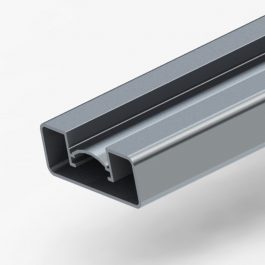
Aluminum floor profiles are precision-extruded finishing components used to create smooth transitions, protect flooring edges, and compensate for expansion gaps in architectural and industrial flooring systems. BOR USA floor profiles solve key issues such as edge wear, height differences between surfaces, and thermal expansion movement. These systems operate within tight tolerances (±0.1–0.3 mm) and must withstand heavy foot traffic, mechanical load, and long-term abrasion.
What Are Aluminum Floor Profiles and Where Are They Used?
Aluminum floor profiles are structural finishing elements used to connect different flooring materials or levels while protecting edges and ensuring a safe walking surface. They are widely used in commercial, residential, and industrial environments.
Application Areas
- Flooring transition between tiles, wood, and vinyl
- Door thresholds and entry systems
- Expansion joint cover systems
- Industrial flooring edge protection
- Commercial building interiors
Technical Specifications of Aluminum Floor Profiles
Performance depends on alloy grade, surface treatment, and structural design. BOR USA profiles are manufactured according to ASTM B221, EN 12020, and ISO 9001 standards.
| Parameter | Value / Range | Description |
|---|---|---|
| Alloy Type | 6063-T5 / 6061-T6 | High strength and wear resistance |
| Wall Thickness | 1.2 – 3.0 mm | Durability under heavy traffic loads |
| Tolerance | ±0.1–0.3 mm | Precision extrusion accuracy |
| Surface Finish | Anodized / Powder Coated | Scratch and corrosion resistance |
| Load Resistance | High traffic rated | Commercial and industrial use |
| Installation Type | Screw / Adhesive / Clip-in | Flexible mounting options |
Engineering Considerations for Floor Profile Systems
Floor profiles must handle mechanical load, thermal expansion, and surface transitions without deformation or safety risk.
Critical Design Factors
- Load distribution under foot traffic
- Expansion and contraction tolerance
- Slip resistance and safety compliance
- Material compatibility between floor types
Common Mistakes and Professional Tips
- Incorrect height matching causes trip hazards.
- Low-grade aluminum leads to surface deformation.
- Ignoring expansion gaps causes buckling.
- Improper fixing reduces long-term stability.
Professional Tip: Use anodized heavy-duty profiles in high-traffic commercial areas to extend lifecycle and reduce maintenance costs.
Installation and Usage Process
Proper installation ensures safety, durability, and aesthetic continuity between flooring systems.
Installation Steps
- Measure floor level differences accurately
- Select appropriate profile type and geometry
- Prepare substrate and alignment surface
- Fix profile using screws or adhesive system
- Verify smooth transition and load stability
Improper installation may cause movement, noise, or structural separation over time.
Aluminum Floor Profiles Prices
Aluminum floor profile prices vary depending on;
-
Profile geometry and transition type
-
Surface treatment (anodized, powder coated)
-
Load capacity requirements
-
Project scale and installation method
These factors directly affect durability, safety, and cost efficiency.
As BOR USA, we provide high durability flooring systems, precision extrusion engineering and competitive B2B pricing solutions for construction projects.
Contact our team for technical consultation and pricing details.
| Profile Type | Average Price Range / Sample Price | Features and Descriptions |
|---|---|---|
| Standard Profiles | $3.5 – $5.0 / kg | Basic flooring transition solutions for residential use. |
| Transition Profiles | $5.0 – $7.5 / kg | Designed for multi-surface height differences. |
| Heavy-Duty Profiles | $6.5 – $9.0 / kg | High resistance for commercial flooring systems. |
| Custom Engineered Profiles | $7.5 – $11.0 / kg | Project-specific architectural flooring solutions. |
Conclusion & Evaluation
Aluminum floor profiles are critical for safe, durable, and visually clean flooring transitions. BOR USA differentiates with high wear resistance, precision extrusion, and custom engineering solutions. Keywords such as aluminum floor transition profile USA and flooring aluminum edging profiles indicate strong commercial demand in the US construction sector.
FAQ
What is an aluminum floor profile used for?
It is used to create smooth transitions between different flooring materials and protect edges from wear.
Are aluminum floor profiles durable?
Yes, especially when made from 6063-T5 or 6061-T6 alloys with anodized coating.
Can floor profiles handle heavy traffic?
Yes, heavy-duty aluminum profiles are designed for commercial and industrial traffic loads.
How are floor profiles installed?
They can be installed using screws, adhesive, or clip-in systems depending on application.